Context
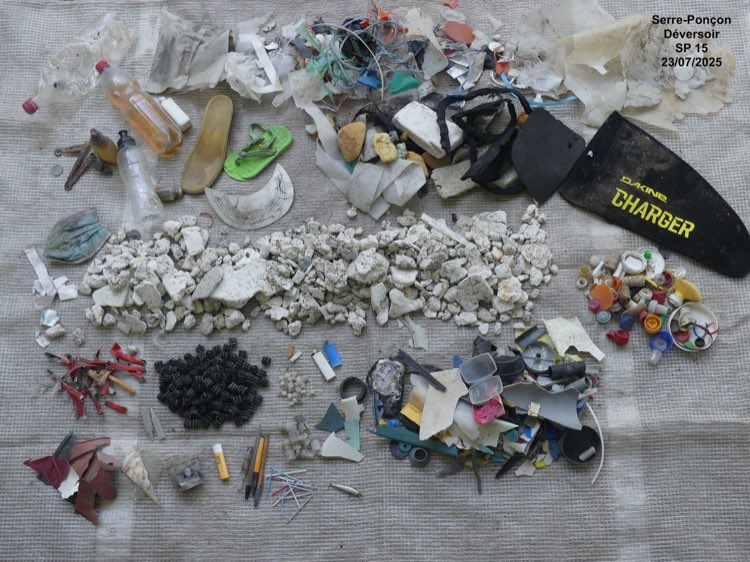
The Mediterranean is a hotspot of marine biodiversity, but one of the most polluted seas in the world. Over 229,000 tonnes of plastic waste are discharged into it every year, and more than a million tonnes have already accumulated there (Boucher and Billard, 2020) — out of over 150 million tonnes in the global ocean. It is also warming faster than almost any other sea, and under a business-as-usual scenario plastic production alone could account for 15% of global CO2 emissions by 2040 — putting continued plastic production directly at odds with international climate goals.
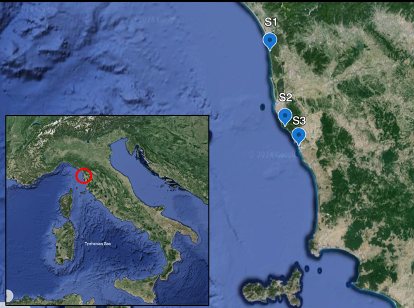
Profili Antropici set out to use citizen science to improve what is known about plastic waste along the Tuscan coast, and to use that knowledge to propose solutions for the most abundant types of litter — while also raising awareness of the links between plastic pollution, climate change and biodiversity loss.
Objectives
Profili Antropici set out to:
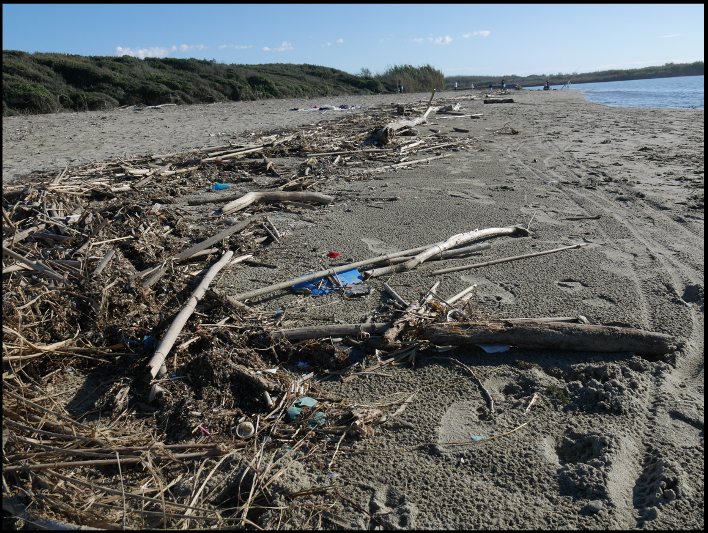
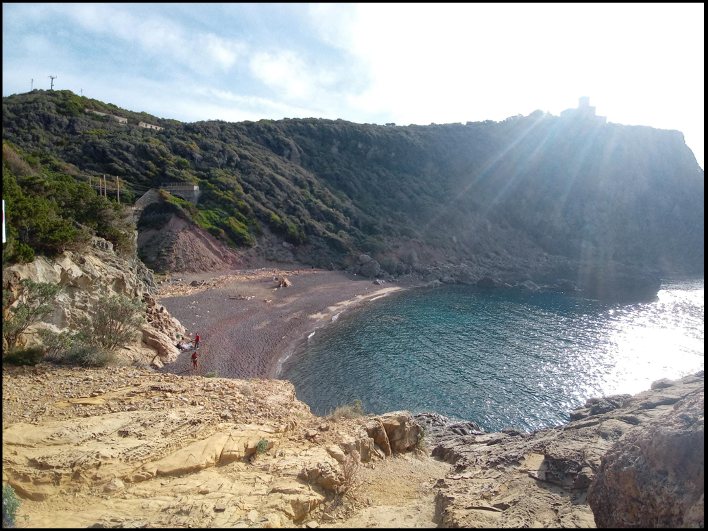
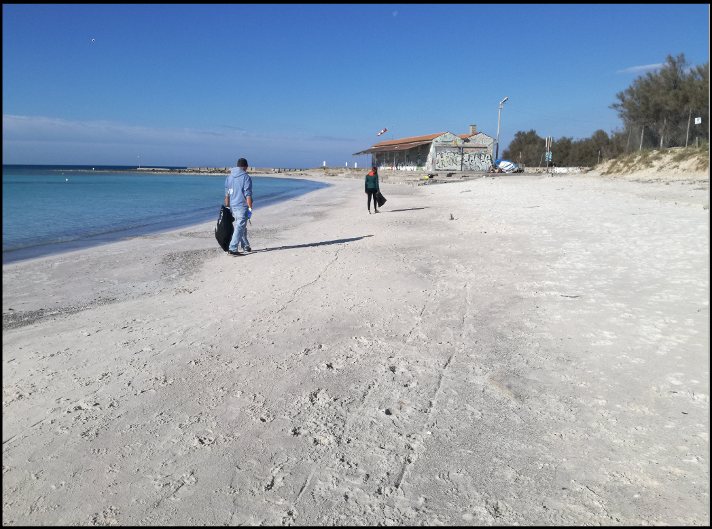
- Quantify plastic pollution — measure the abundance and types of macrolitter on three Tuscan beaches with different environmental conditions and public use
- Identify the top polluting items — pinpoint the most abundant single-use plastics to prioritise solutions for
- Engage municipalities — share the results with local administrators and identify measures they could put in place
- Promote good practice — highlight actions both citizens and policymakers can take to reduce single-use plastic
Thalassa's Contribution
As scientific coordinator:
- Protocol design — Designed the scientific protocol used to quantify plastic abundance across the three beaches, using the EU Joint List of Litter Items for results comparable with the EU Marine Strategy Framework Directive (MSFD) standard.
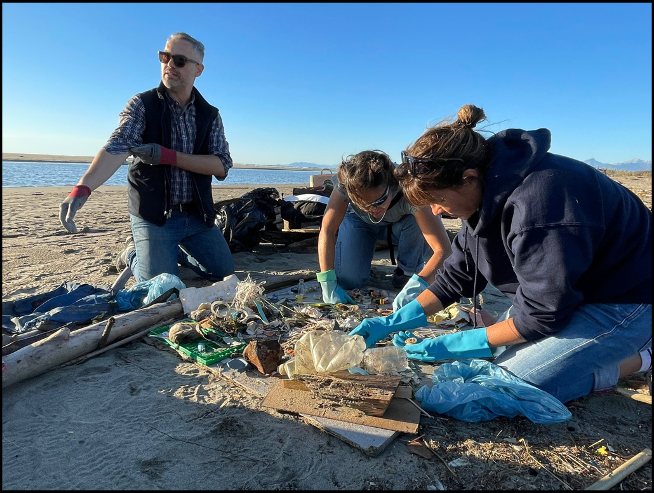
- Citizen science training — Recruited and trained the volunteers who carried out the beach surveys, and supervised the classification of the litter items collected.
- Municipal engagement — Designed the questionnaire, adapted from ANCI Emilia-Romagna guidelines, used to survey the three municipalities on their existing measures against single-use plastics, and co-facilitated three in-person and two online meetings with their environmental councillors, alongside co-authors Yuri Galletti and Daniela Tacconi, presenting the results at a workshop for municipalities on the environmental transition.
- Data analysis & publication — Analysed the results and wrote a peer-reviewed book chapter published by Firenze University Press.
Results
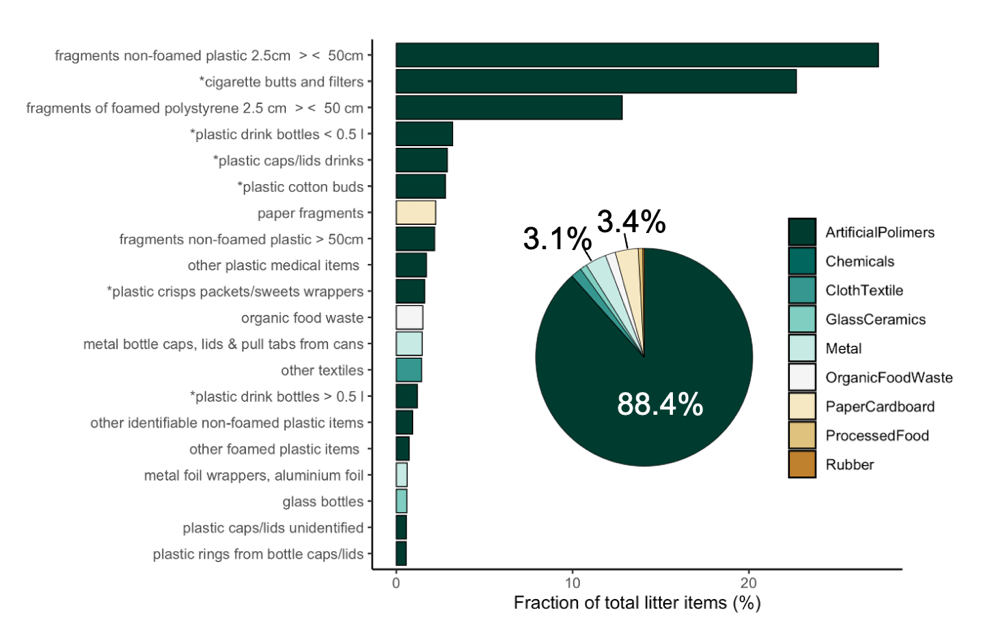
Across three sampling occasions per beach between November 2022 and July 2023, volunteers collected and categorised 11,237 litter items — 88.39% of them artificial polymers. Abundance ranged from 438 to 2,354 items per 100 m of beach (median 1,266), far above the MSFD's 20 items/100 m precautionary threshold at every site and every survey.
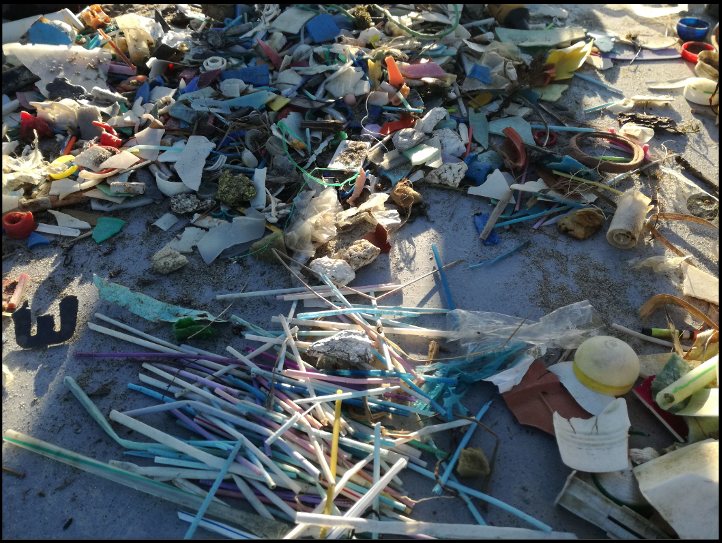
Single-use plastics made up 36.96% of all litter items. The most abundant were cigarette butts (22.69% of all items), plastic drink bottles (4.38%), plastic caps and lids (2.89%), cotton bud sticks (2.79%), and crisps and sweets wrappers (1.61%). Surveyed on their existing measures against single-use plastics, the three municipalities had between them put in place only 13 of 45 possible measures, across 6 of 10 policy areas — Livorno and Rosignano Marittimo had gone furthest, both banning non-biodegradable disposable tableware at beaches and public events. A SWOT analysis identified what would help close that gap.
Ballerini, T., Galletti, Y. and Tacconi, D. (2024) 'Plastic pollution on the Tuscan coast: environmental measures municipalities can put in place to reduce it', Monitoring of Mediterranean Coastal Areas: Problems and Measurement Techniques, pp. 858–871. Firenze University Press.
Related Projects
A citizen science project on plastic pollution that Profili Antropici's results were compared against.